Under Regulation EU261, extraordinary circumstances refer to events that are outside the airline’s control and could not have been avoided even if all reasonable measures had been taken.
Many flight delays and cancellations are not extraordinary circumstances. Knowing the difference can be the key to claiming the EU flight compensation you are legally entitled to.
Continue reading to learn more.
Check your flight online.
What Are “Extraordinary Circumstances” Under Regulation EU261?
Extraordinary circumstances are unusual events that are outside the airline’s control and could not have been avoided, even if the airline had taken all reasonable measures.
In simple terms, these are situations where:
- the problem was not caused by the airline, and
- the airline could not realistically prevent it
If the airline could have avoided or managed the disruption, it would not considered extraordinary.
The Legal Idea Behind Extraordinary Circumstances
EU261 recognises that airlines should not be financially penalised for events they genuinely cannot control. At the same time, the law aims to protect passengers from airlines avoiding responsibility for normal operational problems.
For this reason, EU courts have repeatedly confirmed that the extraordinary circumstances exemption must be interpreted narrowly. Airlines cannot rely on it for routine technical issues, staffing problems, or internal operational failures.
Examples of Extraordinary Circumstances
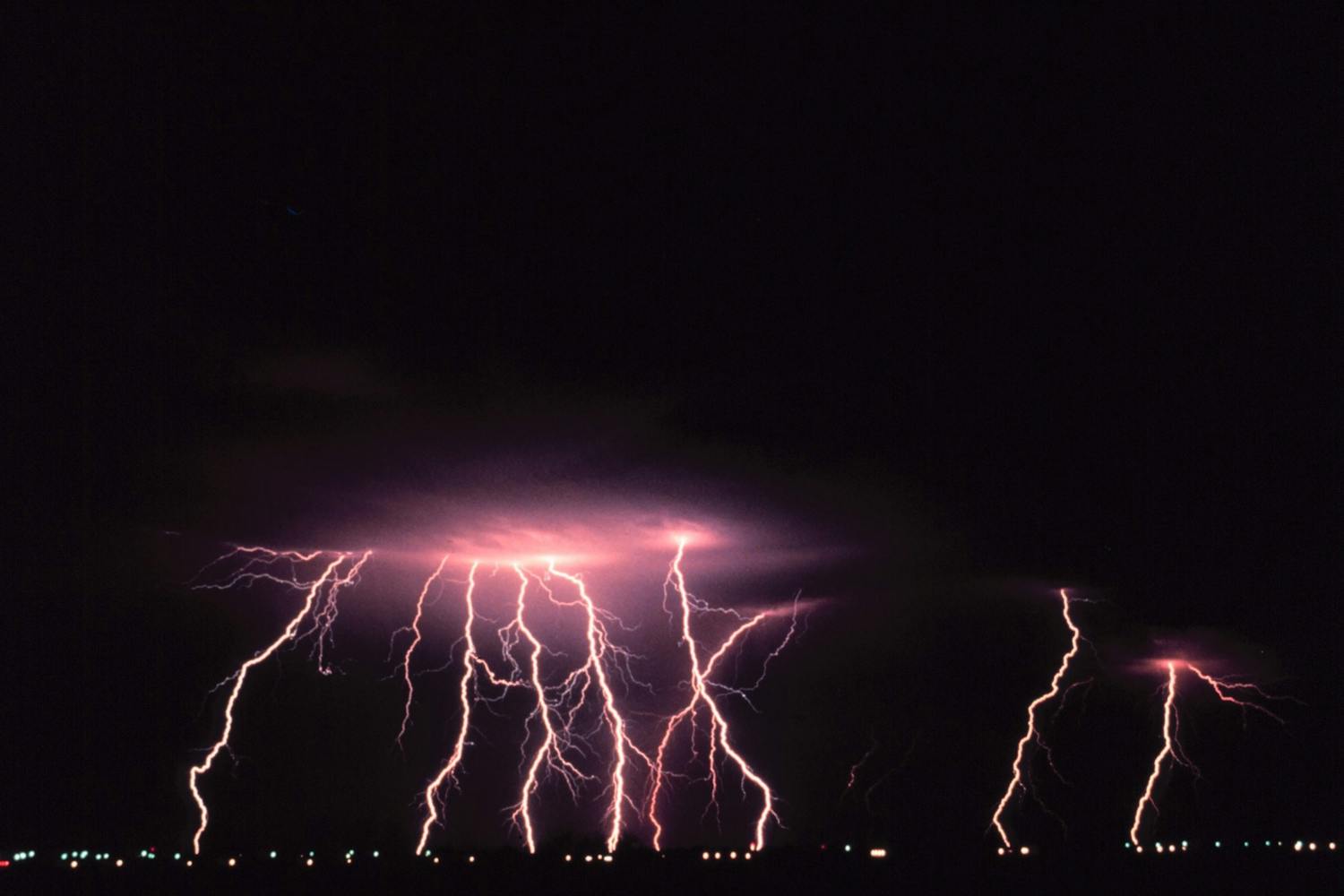
- Extreme weather that makes flying unsafe, such as heavy snow, hurricanes, volcanic ash clouds, or severe storms. Normal or seasonal weather conditions usually do not qualify.
- Air traffic control restrictions. Decisions or restrictions imposed by air traffic control, including airspace congestion, ATC strikes, or enforced flight limitations.
- Sudden airport closures caused by emergencies, accidents, severe weather, or security incidents that prevent flights from operating.
- Serious security threats or incidents, such as terrorism alerts, airport evacuations, or security-related shutdowns affecting flight operations.
- Political instability. Events such as armed conflict, civil unrest, or sudden government actions that disrupt air travel or restrict access to airspace.
- Hidden manufacturing defects (rare cases). Rare technical issues caused by hidden manufacturing defects identified by aircraft manufacturers or aviation authorities. Routine technical faults do not qualify.
What Is Not Extraordinary Circumstances
Many flight disruptions are part of the normal risks of running an airline.
These include:
- most technical faults
- aircraft maintenance issues
- crew scheduling problems
- airline staff strikes
- airline operational decisions
Because these are within an airline’s operational responsibility, they do not qualify as extraordinary circumstances, even if the airline describes them as unexpected.
EU Flight Compensation: Extraordinary Circumstances
Under EU flight compensation rules, airlines are not required to pay EU flight compensation when a delay or cancellation is caused by extraordinary circumstances.
This applies only if the airline can show that the disruption resulted from an event outside its control and that all reasonable measures were taken to avoid or minimise the impact.
If the airline cannot meet this strict legal test, compensation may still be owed, even if extraordinary circumstances are claimed.
Read more:
Extraordinary Circumstances and Right to Care
Even when a flight disruption is caused by extraordinary circumstances, passengers do not lose their right to care under EU261.
Once a delay reaches three hours or more, the operating airline must provide assistance, including meals and refreshments, and, where necessary, hotel accommodation, transport between the airport and hotel, and access to communication.
This obligation applies regardless of the cause of the disruption and even when compensation is not payable.
Extraordinary Circumstances and Right to a Refund
When a flight is cancelled (even due to extraordinary circumstances), passengers retain the right to a refund or re-routing under EU261.
The airline cannot refuse this right simply because the disruption was outside its control. Passengers must be offered a full refund of the unused ticket or the choice of an alternative flight to their final destination.
Extraordinary circumstances may remove the airline’s obligation to pay compensation, but they do not remove the passenger’s right to a refund or re-routing.
Extraordinary Circumstances or Excuse? What Passengers Should Know
Airlines frequently cite extraordinary circumstances because it allows them to avoid paying compensation. This explanation is often the fastest way to deny a claim and reject compensation.
To support this, airlines may use vague or authoritative-sounding language, such as “operational safety issue” or “circumstances beyond our control,” without clearly explaining what actually happened.
In many cases, airlines provide little or no concrete evidence to support their claim. Passengers are expected to accept the explanation without further proof — even when the situation may not legally qualify as extraordinary.
You don’t have to take the airline’s explanation at face value.
There are several ways to verify whether extraordinary circumstances truly caused the disruption.
Learn more: Extraordinary Circumstances: Is the Airline Telling the Truth About Your Delay?
How to Challenge an Airline’s Claim of Extraordinary Circumstances
If an airline refuses compensation by citing extraordinary circumstances, passengers are not required to accept this explanation without question.
- Request a clear and specific explanation of what caused the delay or cancellation. General statements such as “operational issues” or “circumstances beyond our control” are not sufficient under Regulation EU261.
- Ask the airline to provide evidence supporting its claim, such as confirmation of weather conditions, air traffic control restrictions, or other external events. The airline must show that the disruption was outside its control and unavoidable.
- If the airline cannot justify its refusal, passengers can escalate the claim to an ADR body, the national enforcement authority, or ultimately court proceedings, depending on the country and circumstances.
Under EU261 compensation rules, airlines do not have to pay compensation for delays or cancellations caused by extraordinary circumstances, but passengers still retain the right to care and the right to a refund or re-routing.